Photography is a powerful medium for capturing human emotions, beauty, and sensuality. Within this realm, two distinct genres have emerged: Boudoir Photography and Pornographic Photography. While both focus on the human body and intimacy, they diverge significantly in their origins, boundaries, purposes, and impacts on relationships.
The Origins of Boudoir Photography
Boudoir Photography:
Boudoir photography finds its roots in the late 19th century, with early pioneers like Albert Arthur Allen and Alfred Cheney Johnston. These photographers revolutionised the way intimate moments were captured. Boudoir photography emerged as a genre that aimed to celebrate sensuality, allowing individuals to express their sexuality in a tasteful, artistic manner.
Albert Arthur Allen’s style was characterised by soft lighting, subtle poses, and a focus on the subject’s personality and sensuality. Alfred Cheney Johnston, on the other hand, was renowned for his work with the Ziegfeld Follies, capturing the elegance and allure of the women who performed in the famous revues.
Today, Boudoir photography continues to draw inspiration from these pioneers, emphasising the artistry of the human form and the intimacy of the moment.
Pornographic Photography:
Pornographic photography, in contrast, primarily serves explicit sexual content for arousal and gratification. Its origins trace back to the earliest days of photography, with early daguerreotypes featuring explicit sexual content. This genre prioritises the explicit depiction of sexual acts or nudity with little to no artistic or emotional context.
Boundaries of Boudoir photography and pornographic photography
<Boudoir photography:
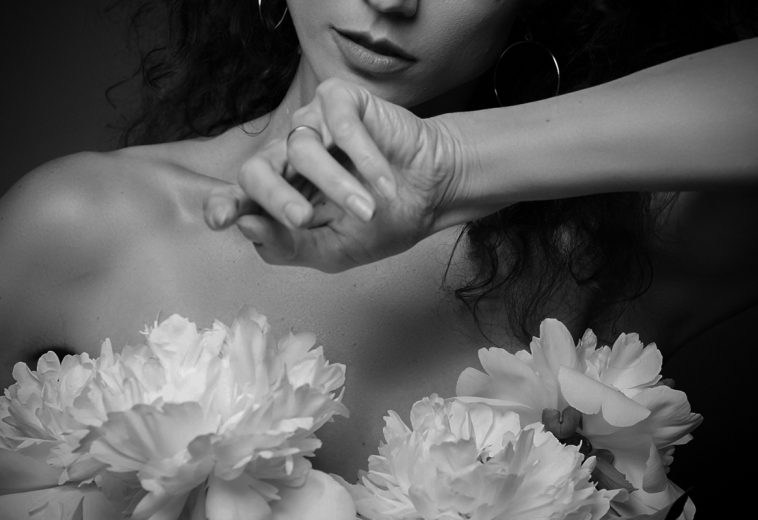
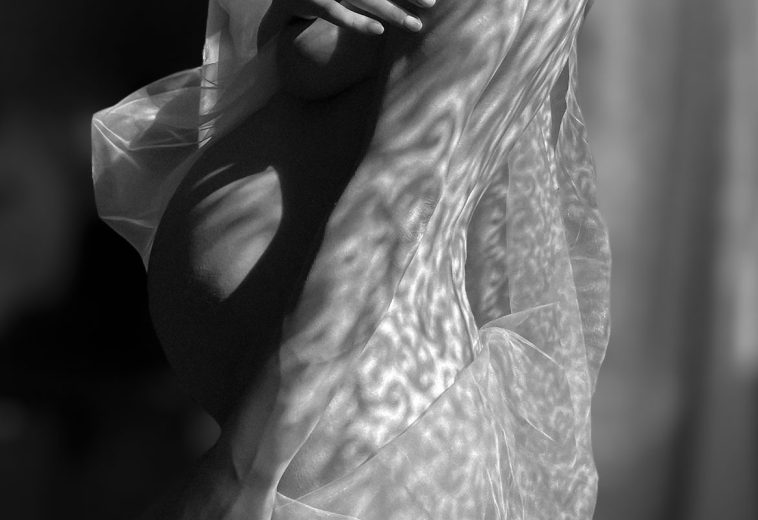
Boudoir photography walks a fine line between sensuality and eroticism. It emphasises the artistry of the human form, often employing suggestive poses and revealing clothing. However, it remains firmly within the boundaries of artistic expression and does not cross into explicit sexual content. The focus is on the subject’s beauty, confidence, and sensuality, creating images that are meant to be tasteful and empowering.
Pornographic photography:
Pornographic photography is characterised by explicit depictions of sexual acts, genitalia, or other sexual content designed primarily for sexual arousal. It often lacks the artistic and emotional context found in Boudoir photography. The primary intention is to stimulate sexual desire and gratification, which leads to the degradation of the subject and objectification.
Purpose of Boudoir Photography vs. Pornographic Photography
Boudoir photography:
The purpose of Boudoir photography is to empower individuals by celebrating their sensuality and beauty. It can serve as a form of self-expression, a confidence booster, or a romantic gift for a partner. Many couples opt for Boudoir sessions to rekindle their romantic connection, and the resulting images can serve as a lasting testament to their love and intimacy.
Boudoir photography can play a positive role in relationships by enhancing self-esteem and fostering open communication between partners.
Pornographic photography:
The primary purpose of pornographic photography is to arouse and gratify sexual desires. It lacks the artistic and emotional depth found in Boudoir photography and often objectifies the subjects involved. Consuming pornography can lead to unrealistic expectations, insecurity, and, in many cases, addiction, which can be detrimental to relationships.
The impact on relationships
Boudoir Photography:
Boudoir photography can have a positive impact on relationships by promoting self-confidence and open communication. It can be a means for couples to reconnect and rekindle their romantic spark. By celebrating intimacy in an artistic and respectful way, Boudoir photography can strengthen the emotional bond between partners and provide lasting memories.
Pornographic Photography:
On the contrary, pornography can be destructive to relationships. It can create unrealistic expectations, breed insecurity, and contribute to emotional detachment between partners. Excessive consumption of explicit sexual content can lead to addiction, affecting intimacy and trust within a relationship.
Boudoir Photography and Pornographic Photography represent two distinct approaches to capturing sensuality and the human form. While Boudoir photography celebrates beauty, intimacy and self-love in an artistic and respectful manner, pornographic photography focuses solely on explicit sexual content for arousal and negatively objectifies both women and men.
Understanding the differences between these genres is crucial for individuals and couples seeking to enhance their relationships while navigating the complex world of visual intimacy. Boudoir photography can restore and heal a marriage by promoting self-confidence and open communication, whereas pornographic photography has the potential to erode trust and intimacy, ultimately leading to destructive consequences.